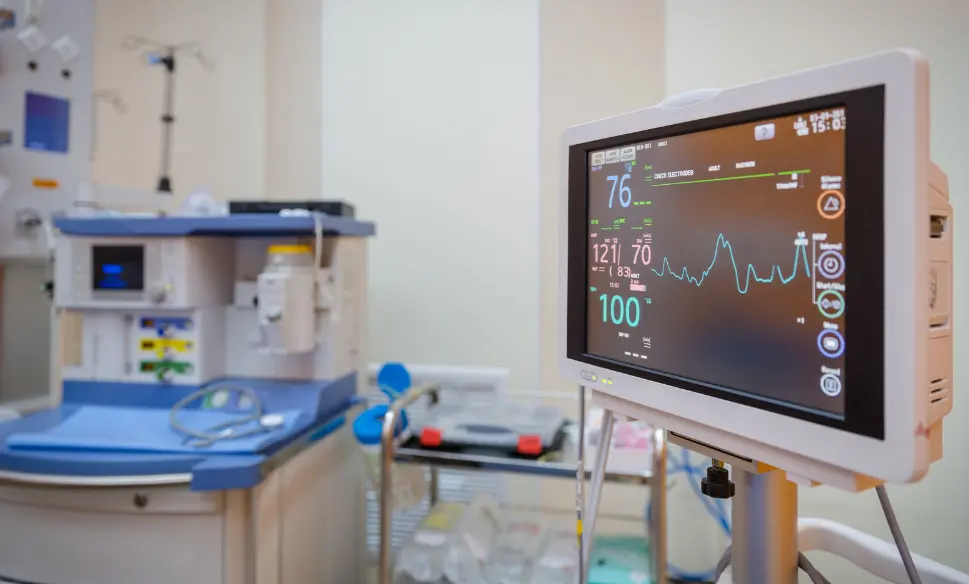
Vital Signs & Clinical Assessment
Module overview
Vital signs are the most basic — and most powerful — data in nursing. Measured accurately and interpreted in context, they reveal how a patient is doing and when something is changing. This module sharpens both the measuring and the thinking.
Learning outcomes
1 Explain why accurate vital signs and a baseline matter.
2 State the normal adult ranges and what each vital sign tells you.
3 Measure each vital sign accurately and avoid common errors.
4 Perform a structured baseline clinical assessment of the whole patient.
5 Interpret findings against trends and baseline, and act on abnormalities.
How this module works
Use Next or the chips above. The vital-signs interpreter is interactive — set values and see how each reads. Knowledge checks are for your learning and are not graded; your formal assessment (quiz + reflective practice) is separate.
A note on scope
Foundational education for internationally qualified nurses. Normal ranges are typical adult values for guidance — children, pregnancy and some conditions differ, and your facility's observation chart defines local thresholds. Always follow local policy and your scope of practice.